Choosing a good vacuum cleaner and maintaining it properly according to the model
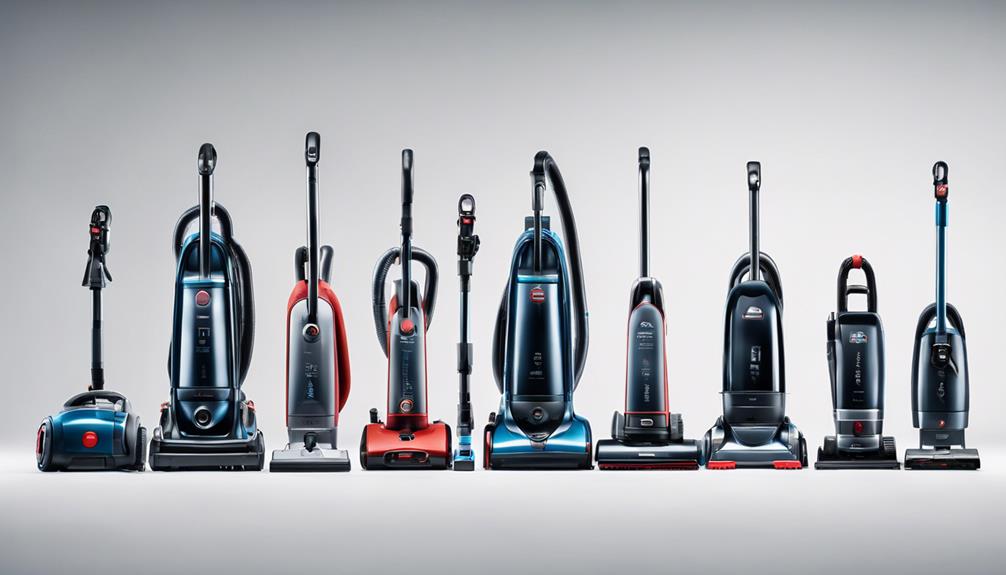
How to Select the Ideal Vacuum Cleaner for Your Needs
While choosing a good vacuum cleaner, many factors come into play: Which model suits your space? What power level is optimal? Should you go for a robotic version, a stick model, one with a dust bag, or a bagless design? These are common questions when considering a vacuum cleaner for keeping your home or workspace spotless. To make an informed decision, it’s important to explore the different models, compare their features, and evaluate your cleaning requirements carefully. Proper maintenance also plays a vital role in ensuring the longevity and performance of the appliance.
Understanding the Different Types of Vacuum Cleaners
Before making a purchase, it’s essential to explore the various vacuum cleaner models available from top manufacturers like:
High-quality vacuum cleaners are not always expensive. While large retailers such as Argos, Currys, and ASDA offer good deals, specialized brands like Kärcher and Electrolux also provide reliable options. To help you choose the right one, here’s an overview of the main types available:
1. Cylinder Vacuum Cleaner (Canister Style)
Two Main Variations:
- Bagged Cylinder Vacuum Cleaner: Collects dust and debris in a replaceable bag.
- Bagless Cylinder Vacuum Cleaner: Uses a dust compartment for waste collection.
Key Features:
- Equipped with a suction head connected to the main unit by a flexible hose.
- Fitted with wheels for easy movement and maneuverability.
Advantages:
- Suitable for hard floors and staircases.
- Powerful suction performance.
- Easy to use and store.
Tips for Selection:
- Focus on the size and design of the brush head rather than just its shape.
- Opt for models with uniformly distributed bristles to avoid suction loss.
2. Stick Vacuum Cleaner (Upright or Broom Type)
Stick vacuums are designed for quick, light cleaning tasks and are characterized by a brush directly attached to the main tube.
Key Features:
- Lightweight and portable.
- Often cordless for extra convenience.
- Limited dustbin capacity.
Advantages:
- Ideal for cleaning small areas like under tables or kitchen counters.
- Simple and hassle-free to operate.
Drawbacks:
- Restricted cleaning range.
- Limited battery life requiring frequent recharges.
Best Use:
- Quick cleanups and smaller living spaces.
3. Wet/Dry Vacuum Cleaner (Canister Style for Heavy-Duty Use)
This versatile vacuum is designed for demanding tasks such as post-construction cleanup or garden maintenance.
Key Features:
- Capable of vacuuming liquids, ashes, debris, and dust.
- Often comes with a blower function for outdoor tasks.
Advantages:
- Excellent for heavy-duty cleaning.
- High suction power for large areas.
Drawbacks:
- Heavy and less portable.
- Requires more storage space.
Best Use:
- Workshops, garages, outdoor patios, and post-renovation cleaning.
4. Robot Vacuum Cleaner (Automated Cleaning Companion)
Robot vacuums have surged in popularity due to their autonomous cleaning ability.
Key Features:
- Programmable for scheduled cleaning.
- Self-navigating with sensors to avoid obstacles.
Advantages:
- Hands-free operation.
- Great for light maintenance cleaning.
Drawbacks:
- Limited battery life.
- Poor performance on carpets and tight corners.
- Higher cost compared to traditional models.
Best Use:
- Routine maintenance cleaning in open areas with minimal furniture.
Essential Factors to Consider When Buying a Vacuum Cleaner
Choosing a right vacuum cleaner requires understanding both your living space and cleaning habits. Here are some important factors:
1. Matching the Vacuum to Your Needs
- For large areas, opt for powerful models like cylinder or canister vacuums.
- For quick clean-ups, stick vacuums are ideal.
- For outdoor and heavy-duty tasks, consider wet/dry vacuum cleaners.
- For automated cleaning, robot vacuums offer convenience.
2. Bagged vs. Bagless Vacuums
- Bagged Models: Reduce dust exposure and are ideal for allergy sufferers but require ongoing purchase of replacement bags.
- Bagless Models: More cost-effective long-term but may release dust when emptied.
3. Power and Suction Efficiency
- Higher wattage doesn’t always mean better suction.
- Look for models with advanced airflow technology and efficient brush designs.
4. Noise Level
- Quieter models are recommended for homes with children or pets.
5. Filtration Quality
- If you or a family member suffers from allergies, consider a vacuum cleaner with a HEPA filter (High-Efficiency Particulate Air).
Proper Maintenance for Long-Lasting Performance
To keep your vacuum cleaner running efficiently for years, regular maintenance is crucial:
1. Filter Care
- Filters prevent dust from reaching the motor.
- Replace disposable filters after every fifth bag change.
- Washable filters should be cleaned annually with lukewarm water and air-dried thoroughly.
2. Dust Bin or Bag Maintenance
- Empty the dust bin regularly for optimal suction.
- Clean the bin thoroughly every six months to avoid clogging.
3. Hose, Brushes, and Tubes
- Periodically detach and clean the hose and brushes to remove trapped debris.
- Follow the user manual for safe disassembly and cleaning procedures.
Final Thoughts: Making the Right Choice
Choosing a good vacuum cleaner depends on your space, cleaning habits, and personal preferences. A high-powered canister vacuum might suit a large home, while a compact stick vacuum could be perfect for small apartments. Remember to balance power, convenience, and filtration efficiency. Prioritize models with durable components and user-friendly features. By choosing wisely and maintaining your appliance properly, you can ensure effective cleaning for years to come.
For other products information, please tap it here.