
Britain’s wars in South Africa in 1900s
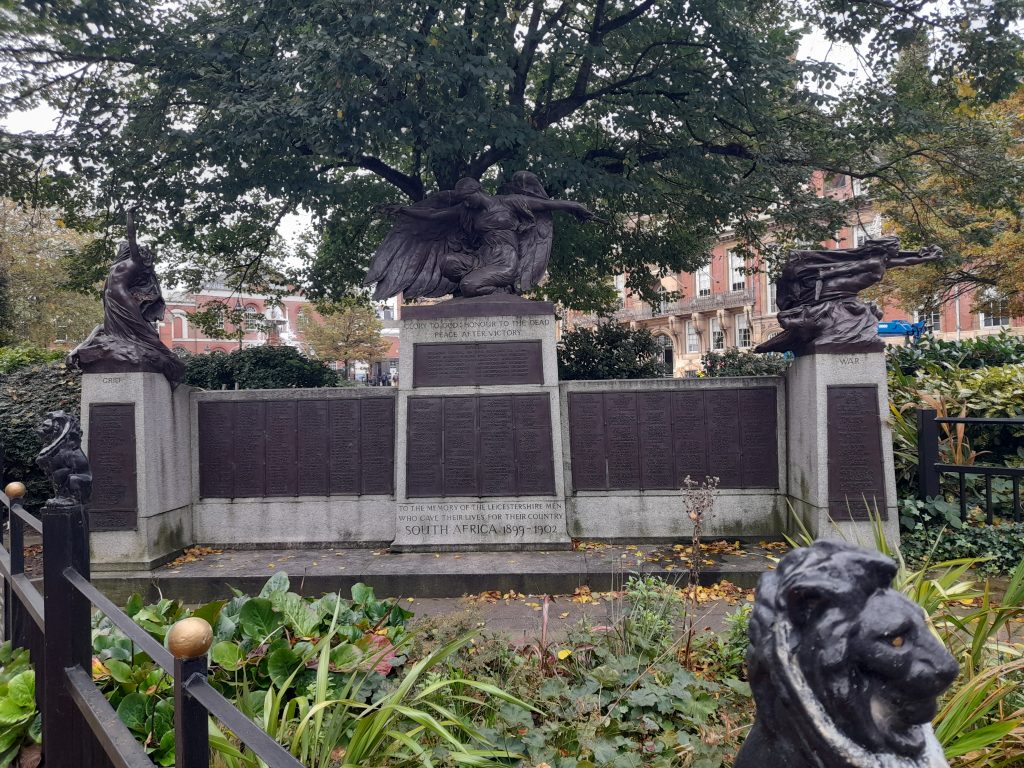
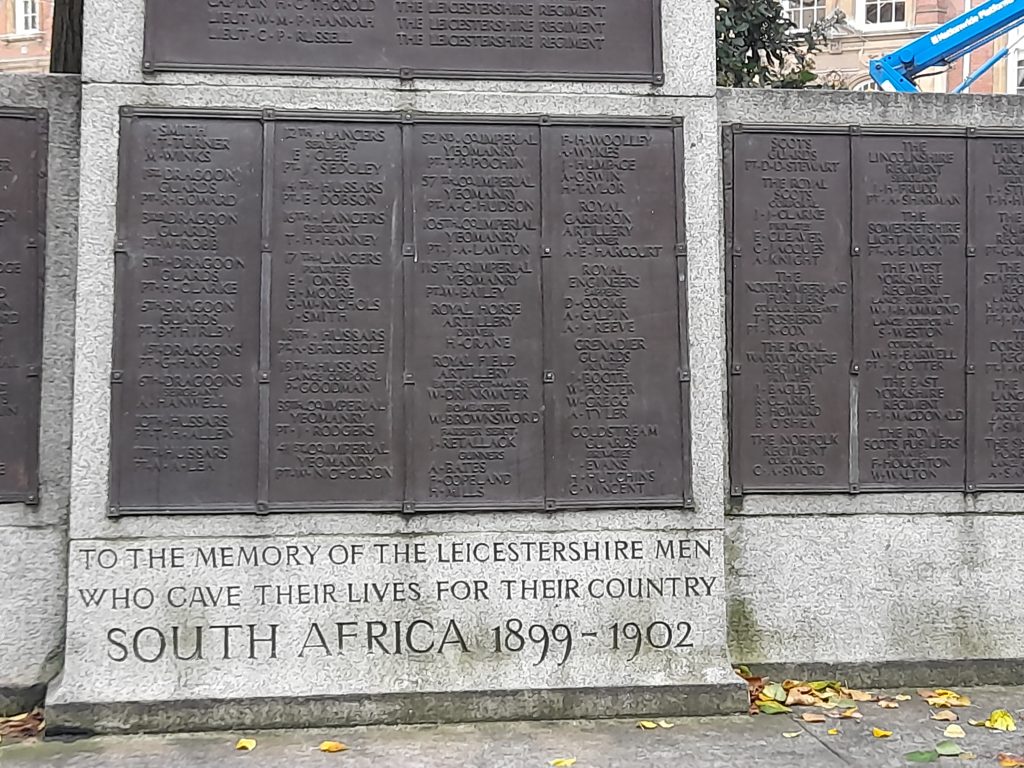
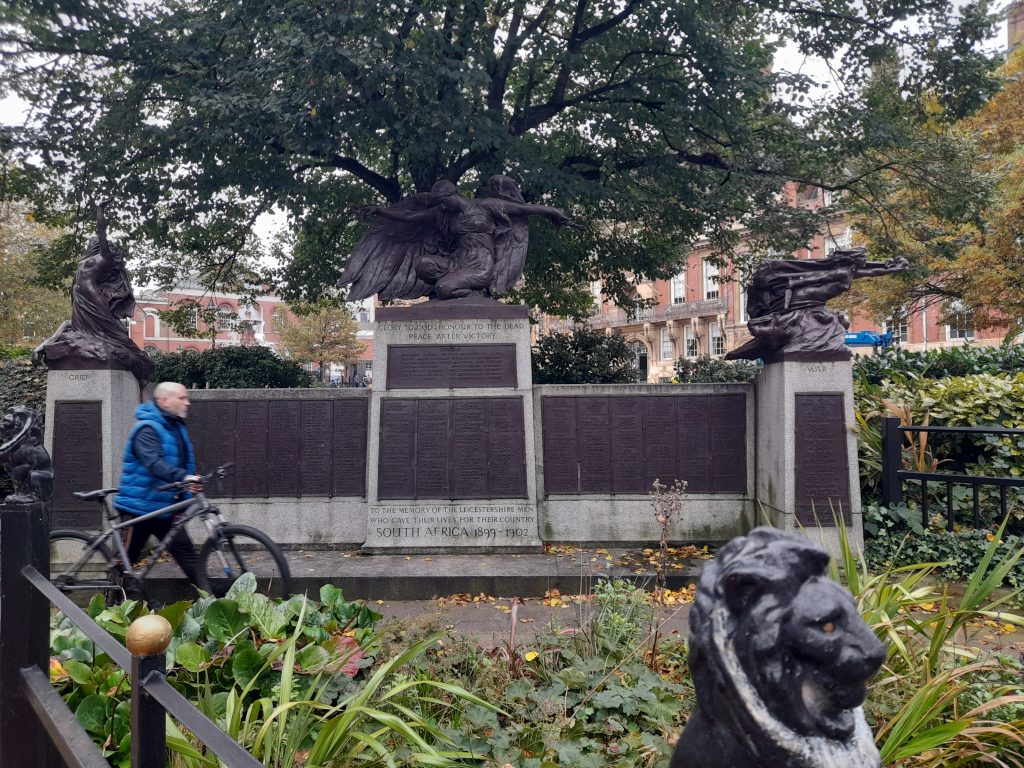
Britain’s war in South Africa in the early 1900s is commonly referred to as the Second Boer War (1899-1902). Here are key details about the conflict:77
Background
Boer Republics: The war was fought between the British Empire and two Boer states: the South African Republic (Transvaal) and the Orange Free State.
Causes: Tensions arose from British imperial ambitions and Boer independence. The discovery of gold and diamonds in Boer territories heightened the conflict.
Key Events
Outbreak of War: The war began on October 11, 1899, after negotiations failed and the Boers issued an ultimatum demanding British withdrawal from their borders.
Initial Boer Successes: The Boers, using guerrilla tactics and deep knowledge of the terrain, initially defeated the British in several battles, including the sieges of Ladysmith, Kimberley, and Mafeking.
British Reinforcements: Britain deployed significant reinforcements and introduced scorched earth policies, destroying Boer farms and placing civilians in concentration camps.
Major Battles
Battle of Colenso (December 15, 1899): Part of the “Black Week,” where the British suffered heavy defeats.
Relief of Mafeking (May 17, 1900): A significant morale boost for the British, as the siege of Mafeking was lifted.
Battle of Paardeberg (February 18-27, 1900): A turning point where British forces captured a large Boer army.
Tactics and Strategies
Guerrilla Warfare: Boers used hit-and-run tactics, exploiting their mobility and familiarity with the landscape.
Scorched Earth: The British burned farms and homes, aiming to cut off supplies to Boer guerrillas.
Concentration Camps: British policies led to the creation of camps where Boer civilians were detained, resulting in high mortality rates due to poor conditions.
Conclusion
Treaty of Vereeniging: The war ended on May 31, 1902, with the signing of this treaty. The Boers conceded to British sovereignty but were promised eventual self-governance.
Aftermath: The war had significant consequences, including the unification of South Africa under British rule and the eventual establishment of the Union of South Africa in 1910.
Impact
Human Cost: The war resulted in significant loss of life, including Boer civilians, British soldiers, and African inhabitants.
Economic and Social: The scorched earth policy and concentration camps left deep scars, contributing to long-term economic and social disruptions.
Legacy: The war influenced future British military tactics and had lasting effects on South African society and its racial policies.
The Second Boer War remains a significant event in the histories of both Britain and South Africa, marking the end of the independent Boer republics and setting the stage for future developments in the region.